
For many Afghans, Qabili Pulao brings back memories of family gatherings, weddings, and celebrations where a large platter of rice and meat takes center stage. Long-grain rice, tender meat, sweet carrots, raisins, and sometimes almonds and pistachios come together to create a dish that stands out from many other rice dishes around the world.
However, Afghanistan is not the only country where rice and meat come together in a traditional celebratory meal. In Uzbekistan, Plov is prepared with rice, meat, and carrots. In Pakistan and India, Biryani gets its distinctive aroma from a rich combination of spices. In Saudi Arabia, Kabsa is a popular dish served to guests, while Yemen is known for Mandi, a rice and meat dish prepared using a distinctive cooking method.
The similarities between these dishes do not mean they share the same recipe or history. Each one has developed through the ingredients, cooking traditions, and food preferences of its own region. Comparing them shows how one common ingredient, rice, can become part of very different meals across cultures.
What Is Qabili Pulao and What Makes It Special?
Qabili Pulao, also known as Kabuli Palaw, is one of Afghanistan's best-known traditional dishes. It is commonly prepared with long-grain rice, lamb or beef, carrots, and raisins. Many recipes also include almonds or pistachios as toppings. Cumin and cardamom are among the spices that can give the dish its characteristic aroma.
The cooking method is just as important as the ingredients. In many traditional recipes, the rice is partially boiled and then drained before being steamed with meat broth and seasonings. This allows the grains to absorb flavor while retaining their shape. The meat is often cooked separately and placed beside or beneath the rice when the dish is assembled. The carrots and raisins are also commonly prepared separately and added on top before serving.
Of course, Qabili Pulao is not prepared exactly the same way in every Afghan household. Some families use chicken instead of lamb or beef, while others adjust the quantities of carrots, raisins, or nuts according to their preferences. What remains consistent in many versions is the combination of aromatic rice, tender meat, and a slightly sweet topping.
Main Ingredients and Signature Flavors of Qabili Pulao
The balance between the ingredients is what makes Qabili Pulao distinctive. The meat and its broth provide the main savory flavor, while the rice absorbs the aroma of the cooking liquid and spices. Cooked carrots and raisins add a gentle sweetness that complements the meat. Almonds and pistachios can also provide a pleasant contrast in texture.
Its appearance is another recognizable feature. Orange strips of carrots, dark raisins, and nuts are arranged over the rice, creating a colorful presentation. A well-prepared Qabili Pulao should have separate, fluffy rice grains rather than a sticky or mushy texture. The sweetness of the toppings should also complement the meat and spices without overpowering them.
The Role of Qabili Pulao in Afghan Culture and Hospitality
Qabili Pulao is often prepared for special occasions and family gatherings. Making it requires time and attention, from preparing the meat and rice to cutting the carrots and getting the raisins ready. For this reason, many Afghan families consider it more than an everyday meal. It is a dish associated with welcoming guests and preparing a memorable table.
Serving the food on a large shared platter also contributes to the communal atmosphere of a gathering. Family members and guests sit around the table and share the meal. This style of serving is not unique to Afghanistan; it can also be found in parts of Central Asia and the Arabian Peninsula. Still, the particular combination of meat, aromatic rice, sweet carrots, and raisins gives Qabili Pulao its own identity.
7 Dishes Similar to Qabili Pulao from Different Countries
When comparing these dishes, it is important to look beyond the fact that they contain rice and meat. The type of rice, cooking sequence, spices, and serving style all make a difference. Some of the dishes below are similar to Qabili Pulao in their ingredients, while others share more in common with its role in family gatherings and celebrations.
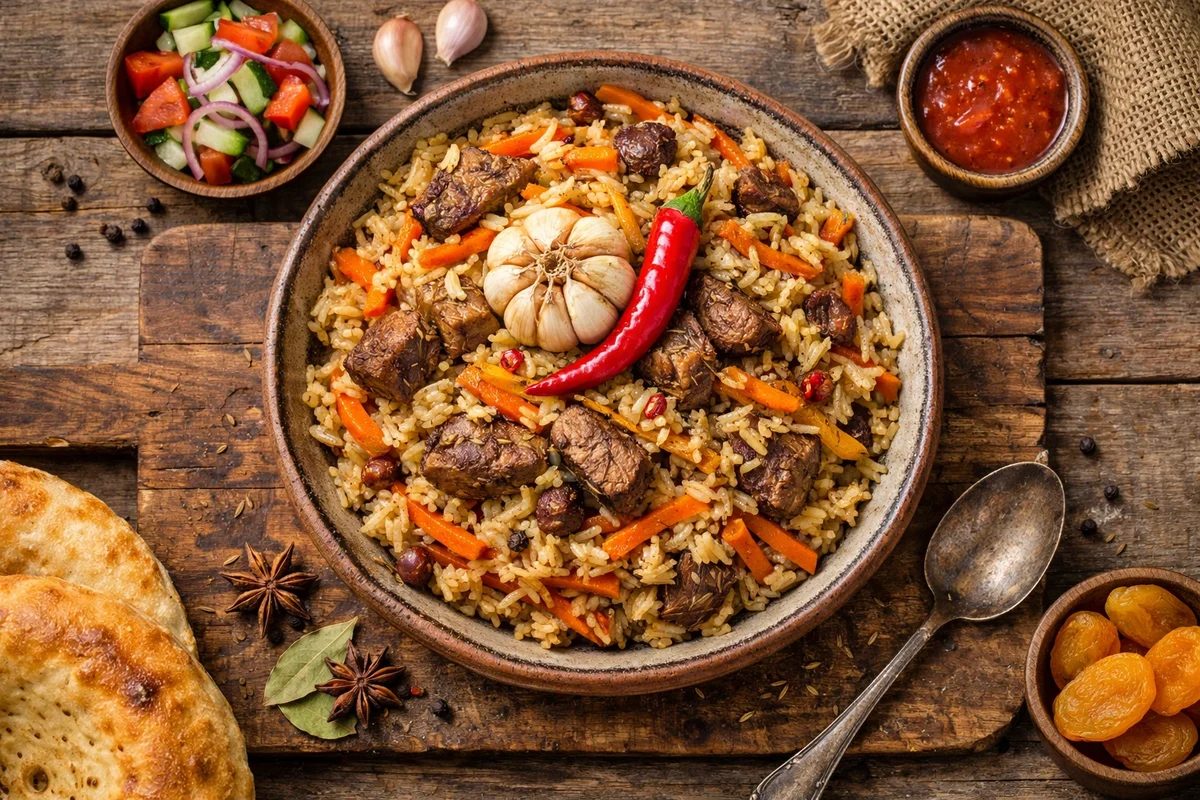
Uzbek Plov (Uzbek Plov)
Uzbek Plov, also known as Plov, Palov, or Osh, is one of Uzbekistan's most recognized traditional dishes. Its common ingredients include rice, lamb or beef, carrots, onions, and oil. Cumin and sometimes garlic are also used to add flavor.
The similarities between Uzbek Plov and Qabili Pulao are clear when looking at their main ingredients. Both feature rice, meat, and carrots as important components. Both are also suitable for serving at large family gatherings and celebrations.
The main difference lies in how they are cooked. In a common Uzbek Plov preparation, meat and onions are first fried in oil, followed by carrots. Rice is then added and cooked with the liquid already in the pot. This allows the ingredients to develop their flavors together in one cooking vessel. In many Qabili Pulao recipes, however, the rice is partially boiled separately, drained, and then finished through steaming.
Uzbek Plov does not usually have the same distinctive sweet carrot and raisin topping found in Qabili Pulao, although regional and family recipes can vary. For anyone who enjoys Qabili Pulao and wants to try a dish with similar ingredients, Uzbek Plov is a natural choice.
Plov also holds an important place in Uzbek culture. The traditions and social practices associated with Uzbek Plov were inscribed on UNESCO's Representative List of the Intangible Cultural Heritage of Humanity in 2016.
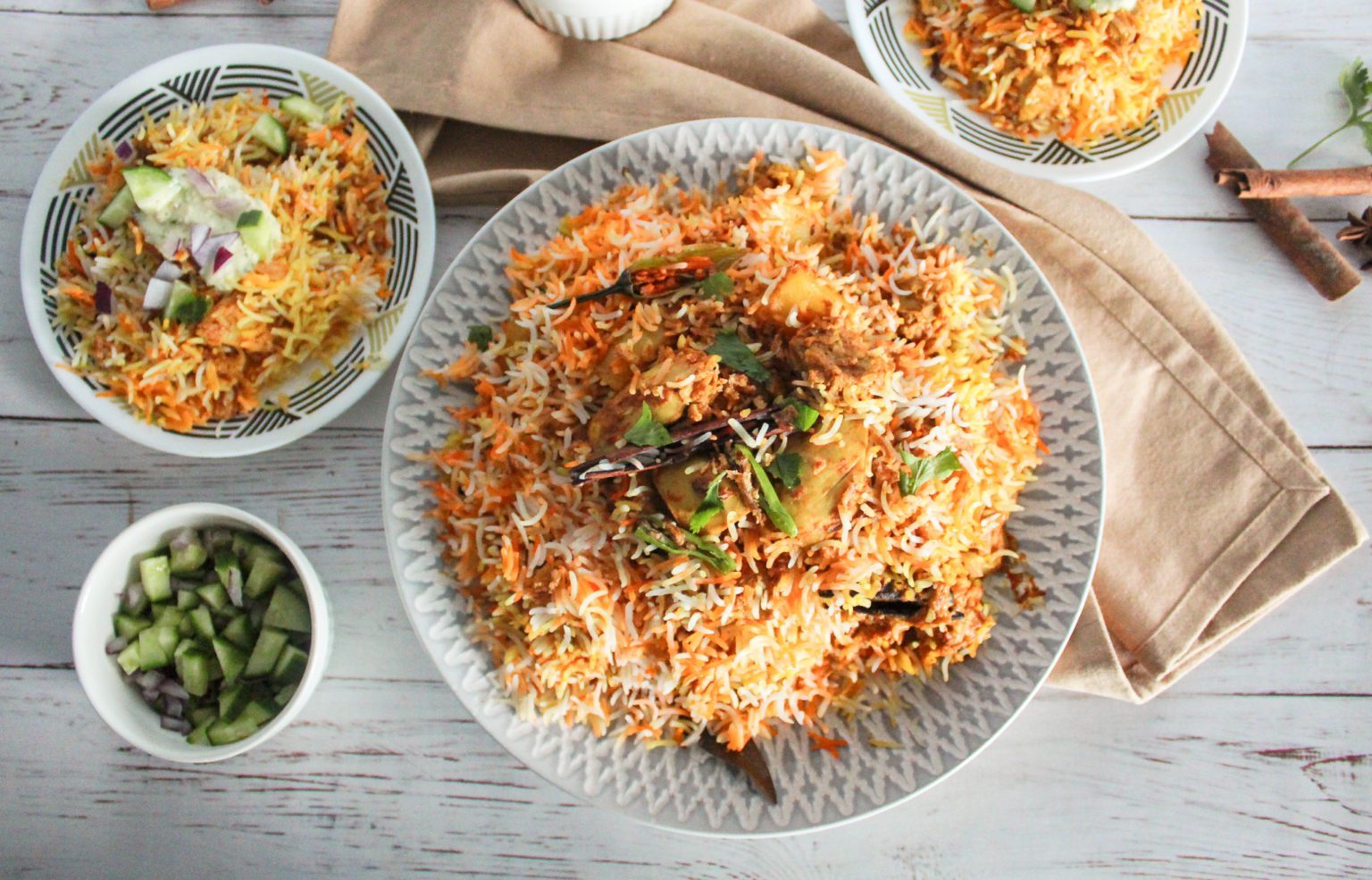
Pakistani and Indian Biryani (Biryani)
Biryani is popular across South Asia, particularly in Pakistan and India, where it is prepared in many regional styles. Common versions combine fragrant rice with chicken, lamb, or beef, along with onions, yogurt, and a mixture of spices. Cardamom, cinnamon, cloves, cumin, and saffron may all appear in different recipes.
Qabili Pulao and Biryani appeal to people who enjoy aromatic rice dishes served with meat. However, their flavors are usually quite different. Biryani tends to have a stronger spice profile, with fried onions, yogurt, and carefully selected spices playing important roles. In some preparations, the meat and rice are arranged in layers and cooked together through a final steaming process.
In Qabili Pulao, the gentle sweetness of carrots and raisins is one of its defining features. This type of sweet topping is not a standard part of Biryani. Instead, its final flavor depends more heavily on the spices, meat, and cooking technique. Some Biryani recipes do include nuts or dried fruits, so the distinction is not absolute.
If you enjoy Qabili Pulao because of its aromatic rice and tender meat, Biryani is worth trying. However, if you particularly enjoy the combination of sweet carrots and raisins, not every Biryani recipe will offer the same experience.
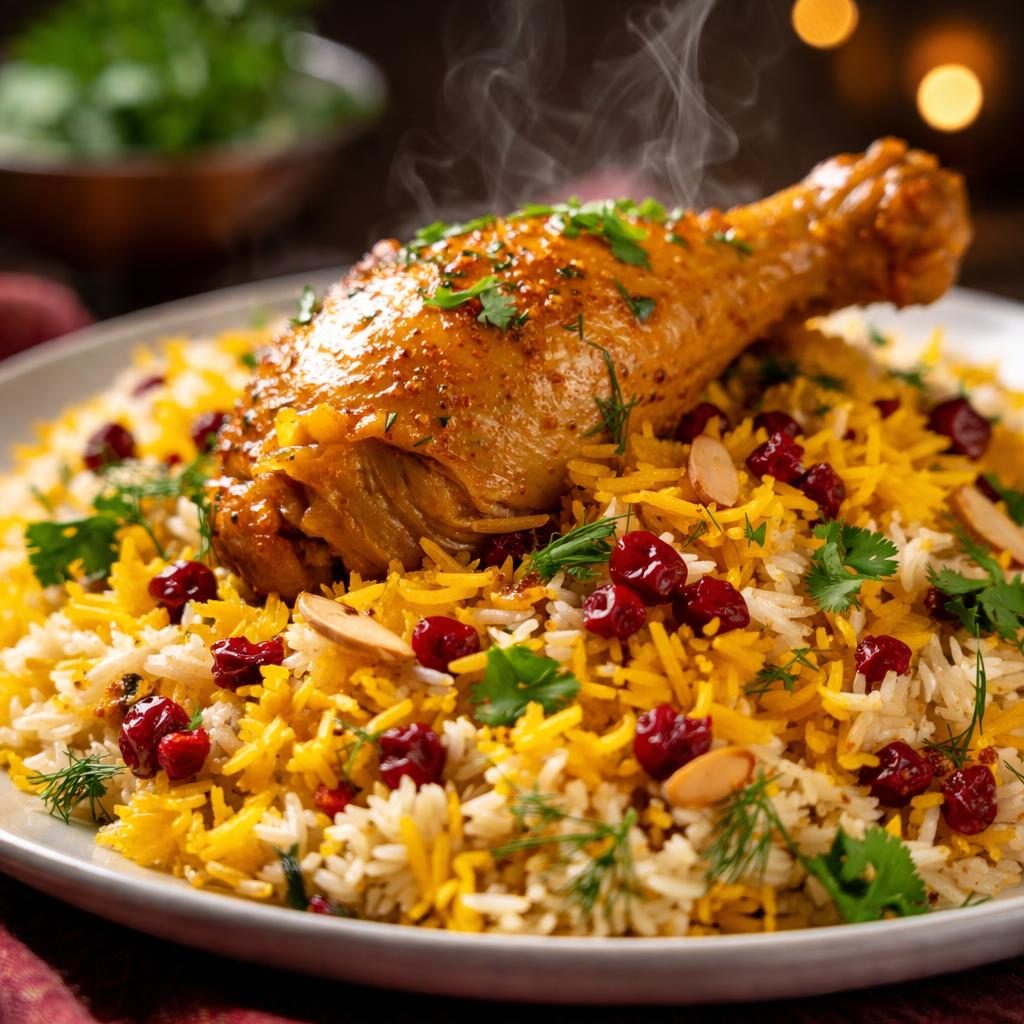
Persian Polo (Persian Polo)
In Iranian cuisine, the word Polo refers to a broad family of rice dishes. Depending on the recipe, rice may be combined with herbs, legumes, dried fruits, meat, or other ingredients. Saffron, barberries, turmeric, and various spices are also used in different preparations.
Qabili Pulao shares some similarities with Persian Polo in the way the rice is prepared. In both, rice may be partially boiled and drained before being steamed to finish cooking. However, not all Persian rice dishes follow this method, and the preparation varies from one dish to another.
For example, Zereshk Polo ba Morgh is made with rice, chicken, and barberries. Barberries have a tart, slightly sweet flavor and give the dish a distinctive red appearance. In Qabili Pulao, carrots and raisins usually form the main topping and contribute a sweeter flavor. Other Persian dishes, such as Shirin Polo, use ingredients like carrots, citrus peel, nuts, and dried fruits, making their flavor combinations somewhat closer to Qabili Pulao.
For this reason, it is more useful to compare Qabili Pulao with a specific Persian rice dish rather than with the entire category of Persian Polo. Each variety has its own ingredients and cooking method.
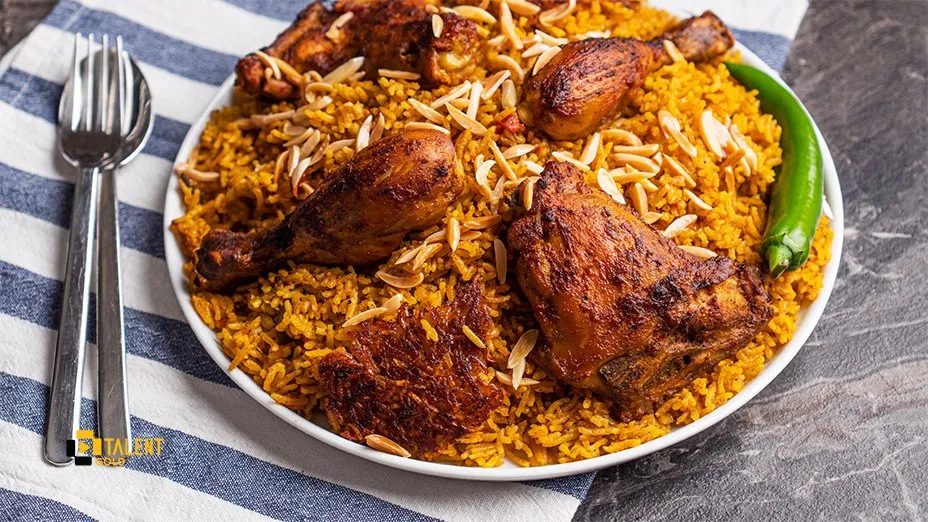
Saudi Kabsa (Kabsa)
Kabsa is one of the best-known traditional dishes of Saudi Arabia. Similar rice dishes with local variations can also be found in other Gulf countries. Kabsa is commonly prepared with rice, chicken or lamb, and a mixture of spices. Tomatoes, onions, cardamom, cinnamon, cloves, and black pepper may also be included.
One of the main similarities between Kabsa and Qabili Pulao is their place in hospitality. In Saudi Arabia, Kabsa is frequently prepared for guests and special occasions. It is sometimes served on a large shared platter, with the meat placed on top of the rice, a presentation that resembles the way Qabili Pulao is served.
The main difference lies in the flavor combinations. Kabsa usually highlights the aroma of Arabian spices and the savory taste of the meat broth. In Qabili Pulao, carrots and raisins play a more visible role, adding a gentle sweetness. Some Kabsa recipes also include raisins and nuts, but these are not essential ingredients in every version.
If you enjoy rice dishes made with meat and fragrant spices, Kabsa is worth exploring. For a fair comparison, it is best to compare a traditional Kabsa recipe with a homemade version of Qabili Pulao, since both dishes have developed different variations across households and regions.
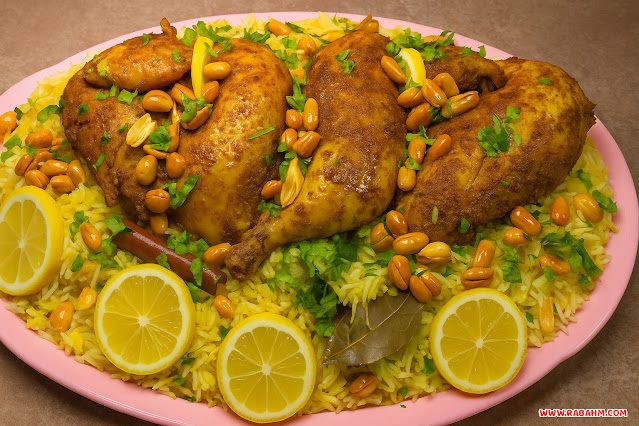
Yemeni Mandi (Mandi)
Mandi is one of Yemen's most famous dishes. It is generally made with aromatic rice and meat, particularly chicken or lamb. In traditional preparations, the meat is cooked under special conditions that give it a distinctive smoky aroma. Modern restaurant and home versions use different techniques, and not all of them involve traditional underground cooking methods.
Mandi and Qabili Pulao share some similarities in presentation. Rice forms the base of the meal, while the meat is placed beside or on top of it. Both can be prepared for family gatherings and celebrations. However, the cooking method used for the meat is one of Mandi's defining features, whereas the combination of steamed rice, carrots, and raisins is central to Qabili Pulao.
Mandi does not usually rely on the sweet carrot and raisin topping found in Qabili Pulao. Its final flavor depends more on the spices, meat broth, and cooking technique. In some versions, the smoky flavor of the meat gives the dish a character that is not normally found in Qabili Pulao.
For anyone who enjoys rice and meat dishes, Mandi is an interesting example of how two different food cultures can use similar ingredients to create meals with very different results.
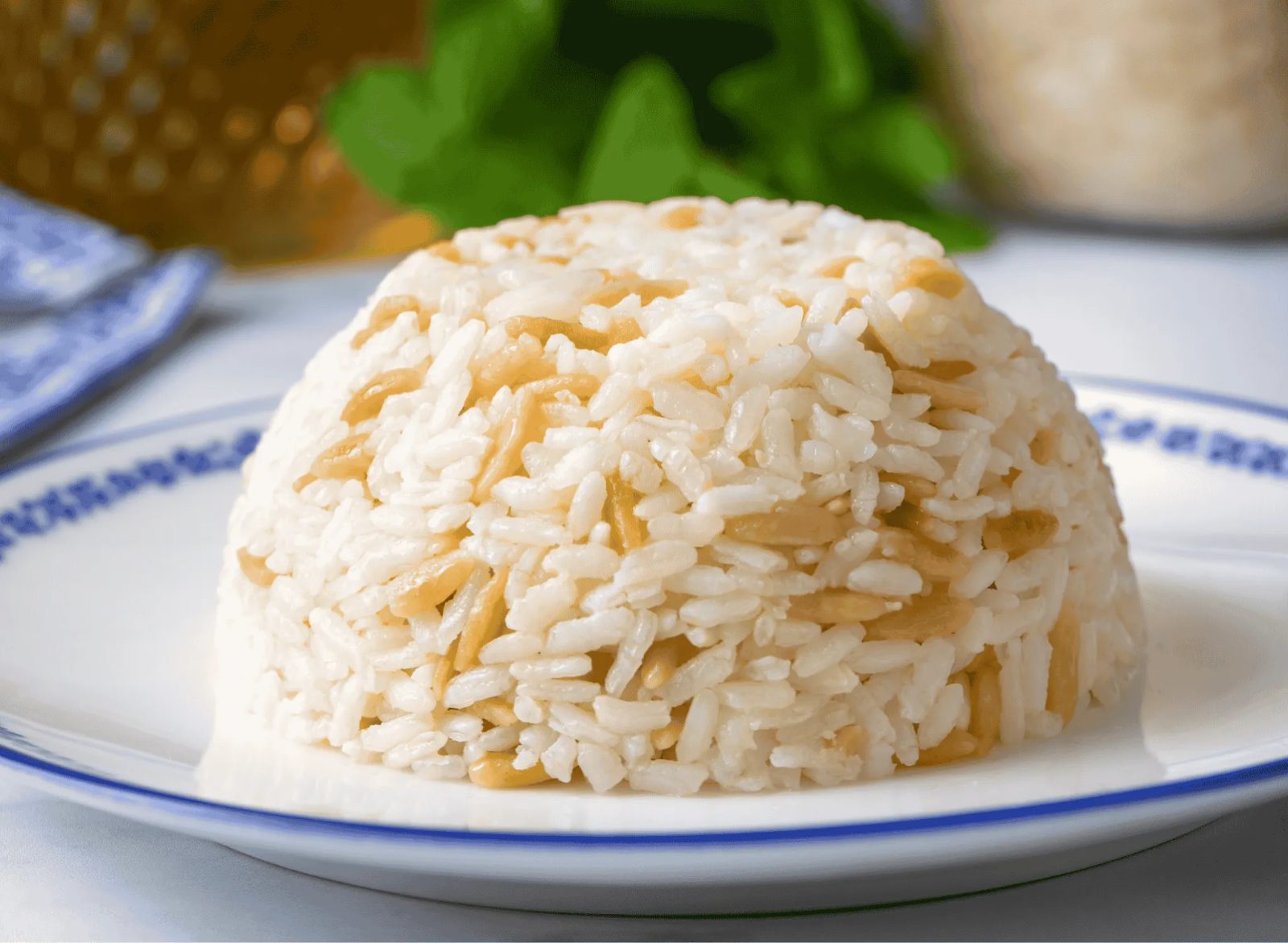
Turkish Pilav (Turkish Pilav)
Pilav also has an important place in Turkish cuisine. Many versions of Turkish Pilav are prepared with rice, butter or oil, and sometimes small pieces of vermicelli. Other varieties are made with bulgur and are commonly served alongside meat, chicken, stews, or other dishes.
The similarity between Turkish Pilav and Qabili Pulao is mainly related to rice preparation and serving rather than the combination of ingredients. Both can feature rice with separate, fluffy grains and may be served alongside meat. However, a simple Turkish Pilav generally does not combine carrots, raisins, and meat in one complete dish.
For this reason, comparing Qabili Pulao with a basic Turkish Pilav highlights several differences. If you are looking for a closer comparison, it is worth exploring Turkish pilav varieties prepared with meat or additional ingredients. Even then, the flavor and appearance will depend on the specific recipe.
This comparison also shows that the word "Pilav" does not refer to one fixed recipe across different countries. It can describe anything from a simple rice side dish to a more elaborate meal.
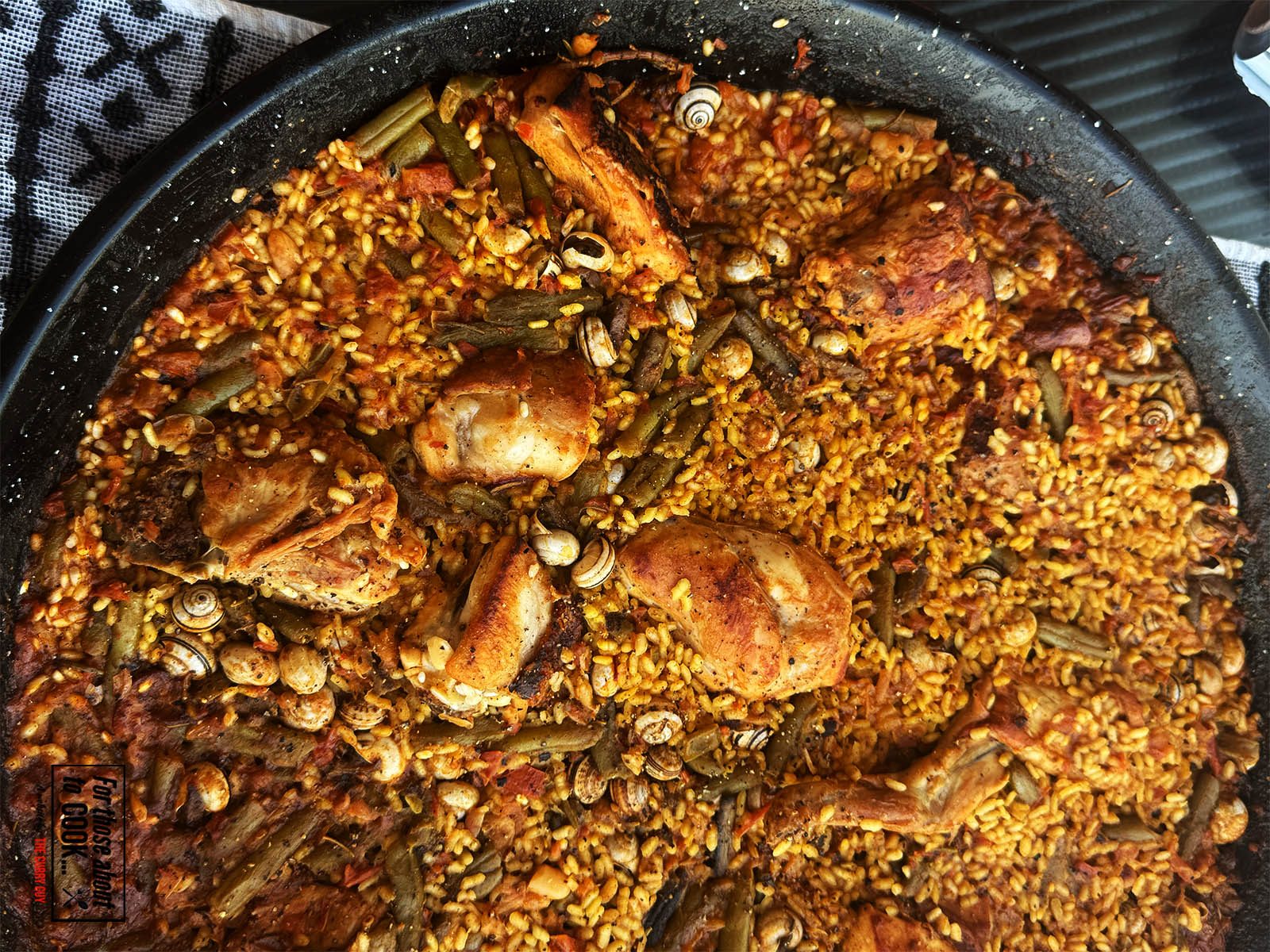
Spanish Paella (Paella)
Paella is one of Spain's best-known dishes, with its roots in the Valencia region. It is prepared with rice, olive oil, saffron, and ingredients that vary depending on the type of Paella. Traditional Valencian Paella commonly includes chicken, rabbit, and local varieties of beans. Seafood versions may contain shrimp, mussels, and other seafood ingredients.
Paella is quite different from Qabili Pulao in terms of ingredients. In Qabili Pulao, rice is usually steamed with meat broth and topped with carrots and raisins. Paella, on the other hand, is cooked in a wide, shallow pan with liquid and other ingredients. By the end of cooking, the rice should have absorbed the remaining liquid. In some versions, a thin, toasted layer of rice forms at the bottom of the pan. This layer is known as socarrat and is considered a prized part of the dish.
Why include Paella in a list of dishes similar to Qabili Pulao? Their connection is more about their role at the table than their recipes. Both can serve as the main dish for a group and are often prepared in a large cooking vessel or served in a shared presentation. Rice quality and cooking time are important in both, but their ingredients and techniques come from very different culinary traditions.
For anyone interested in comparing rice dishes around the world, Paella is a useful example of how another culture has made rice the centerpiece of a shared meal.
How Is Qabili Pulao Different from Other Rice Dishes Around the World?
Looking at these seven dishes, it becomes clear that some similarities with Qabili Pulao come mainly from the ingredients, while others are related to serving traditions. Uzbek Plov is close in its use of rice, meat, and carrots. Biryani usually has a different spice profile, while Paella follows an entirely different cooking method.
Differences in Ingredients and Spices
Carrots and raisins are among the defining ingredients of Qabili Pulao. They give the dish a gentle sweetness that complements the savory flavor of the meat. In Uzbek Plov, carrots and onions play an important role, but raisins and nuts are not included in every recipe.
Biryani is known more for its combination of spices. Cardamom, cinnamon, cloves, and other seasonings create different aromas depending on the region and recipe. Spices are also central to Kabsa, where tomatoes may contribute to the dish's base flavor.
In Mandi, the type of meat and the way it is cooked can have a significant effect on the final flavor. Simple Turkish Pilav uses fewer ingredients, while Paella can be prepared with meat, vegetables, or seafood, depending on the variety.
Therefore, when looking for a dish with a flavor combination close to Qabili Pulao, it is important to consider the toppings and additional ingredients, not just the name of the dish. The presence of rice and meat alone does not make two recipes the same.
Differences in How the Rice and Meat Are Cooked
Cooking techniques are among the most important differences between these dishes. In many Qabili Pulao recipes, the rice is partially boiled and drained before being steamed with meat broth. The meat and the carrot-and-raisin topping may also be prepared separately.
In Uzbek Plov, the ingredients are usually cooked in sequence in one large pot. Meat, onions, and carrots are cooked first, followed by the rice. In Biryani, depending on the recipe, the meat and rice may be prepared separately and then arranged in layers for the final steaming stage.
Paella uses a different approach. Rice is cooked in a wide pan with liquid and other ingredients, and it generally does not require a separate steaming stage like Qabili Pulao. In Mandi, the way the meat is prepared, particularly in traditional versions, is also essential to the final result.
These differences matter in home cooking as well. If you want to try one of these dishes, replacing its traditional cooking method with the technique used for another dish may change the texture of the rice. Even when the ingredients are similar, the amount of liquid, cooking time, and size of the cooking vessel can affect the outcome.
Differences in Presentation, Aroma, and Serving Style
Qabili Pulao is commonly garnished with carrots, raisins, and sometimes almonds or pistachios. The orange color of the carrots and the darker raisins create a distinctive contrast against the rice. These ingredients are not added only for decoration; their sweetness and texture are also an important part of the eating experience.
Uzbek Plov usually has a simpler appearance, with carrots and meat incorporated into the rice. Biryani may be garnished with fried onions, fresh herbs, or other ingredients. In Paella, the toppings depend on the variety. For example, shrimp and other seafood are part of the presentation of seafood Paella.
Serving traditions are also interesting. Qabili Pulao, Kabsa, Mandi, and many varieties of Uzbek Plov can be served on a large shared platter. Paella is also commonly brought to the table in the same wide pan in which it was cooked. This style of serving works well for family meals and gatherings, although the traditions surrounding each dish are different.
Why Are Rice Dishes Popular Across Different Cultures?
Rice is a staple food in many parts of the world and serves as the foundation of countless meals. It can be combined with meat, vegetables, legumes, fish, or local spices to create a complete dish. This flexibility has allowed different culinary traditions to develop their own distinctive rice recipes.
The popularity of rice dishes, however, is not only about how they are prepared. Foods such as Qabili Pulao, Uzbek Plov, and Kabsa are often served at family gatherings and celebrations. Paella is also associated with communal cooking and dining in the Valencia region. In each case, preparing a dish for several people can be part of the tradition of hospitality.
Rice as a Staple Food in Different Countries
In Afghanistan, rice is used to prepare many types of Pulao, with Qabili Pulao being one of the best-known examples. In Uzbekistan, Plov is made with meat, carrots, and onions. Across South Asia, Biryani is prepared with different combinations of meat and spices, while Kabsa and Mandi have established places in the food traditions of the Arabian Peninsula.
In these countries, cooks use locally available ingredients and adapt recipes to regional tastes. As a result, even when the general structure of two dishes is similar, their final flavors can be quite different. Saffron, cardamom, cumin, cinnamon, pepper, and sweet or sour ingredients can each change the character of a rice dish.
The Role of Rice Dishes in Family Gatherings and Special Occasions
Rice dishes are practical choices for larger gatherings because they can be prepared in generous quantities and served in one or several large dishes. However, some of them require considerable preparation time. Washing and preparing the rice, cooking the meat, and balancing the spices all require attention.
In Afghanistan, Qabili Pulao is associated with family celebrations and special occasions in many households. In Saudi Arabia, Kabsa is also an important dish for welcoming guests. Uzbek Plov is similarly connected to shared cooking and dining traditions in Uzbekistan.
These cultural similarities do not mean that the customs of every country are the same. Each community has its own traditions, but in all these examples, a rice dish can become the centerpiece of the table and bring people together for a shared meal.
Which International Dish Is Most Similar to Qabili Pulao?
If ingredients are the main point of comparison, Uzbek Plov is one of the closest dishes to Qabili Pulao. Both commonly use rice, meat, and carrots, and traditional versions can be prepared for large gatherings. The main differences are the order in which the rice is cooked and the distinctive carrot-and-raisin topping used in Qabili Pulao.
If the aroma of spices is more important to you, Biryani and Kabsa are good dishes to explore. Biryani often features a wider combination of spices, while Kabsa is known for its Arabian seasonings and savory meat broth. Mandi shares similarities in the way rice and meat are served, but its meat preparation can create a very different flavor.
Paella has a different place in this comparison. Its ingredients and cooking method are quite different from those of Qabili Pulao, but both can serve as the main dish at a gathering. Simple Turkish Pilav is also more useful for comparing rice preparation than for comparing complete ingredients.
Ultimately, the answer depends on what you enjoy most about Qabili Pulao. If you like the combination of carrots, raisins, and meat with aromatic rice, Uzbek Plov is a good place to start. If you prefer dishes with a variety of fragrant spices, try Biryani or Kabsa.
Frequently Asked Questions About Qabili Pulao and Similar Dishes
What Is the Difference Between Afghan Qabili Pulao and Uzbek Plov?
Both dishes are commonly made with rice, meat, and carrots. The main differences are in the cooking method and final combination of ingredients. In many Qabili Pulao recipes, the rice is partially boiled, drained, and then steamed, while carrots and raisins are placed on top. In Uzbek Plov, meat, onions, and carrots are usually cooked together in one pot before the rice is added.
Are Qabili Pulao and Biryani the Same Dish?
No. Both are rice dishes prepared with meat, but their ingredients, cooking methods, and flavors are different. Qabili Pulao is recognized for its distinctive carrot-and-raisin topping, while Biryani is known for its spice combinations and different methods of layering or cooking rice and meat together.
Which Dishes from Other Countries Are Most Similar to Qabili Pulao?
Uzbek Plov is particularly similar to Qabili Pulao because both use rice, meat, and carrots. Kabsa and Mandi are also comparable in the way rice is served with meat. Biryani is another good choice for people who enjoy aromatic and heavily seasoned rice dishes.
Can Qabili Pulao Be Made at Home Using a Regular Cooking Pot?
Yes. You can prepare Qabili Pulao at home using a suitable cooking pot that allows the rice to steam properly and distributes heat relatively evenly. The final result depends largely on the quality of the rice, the amount of liquid, cooking time, and heat control. A suitable pot can make the process easier, but following the correct cooking steps is even more important.
Conclusion
Qabili Pulao is an important part of Afghan cuisine, but its similarities to rice dishes from other countries show how different cultures have brought rice and meat together in their own ways. Uzbek Plov is close in terms of ingredients; Biryani offers a different flavor through its spices; Kabsa and Mandi can be compared through their serving traditions and place in hospitality; and Paella demonstrates another approach to cooking and serving rice.
None of these dishes is an exact replacement for Qabili Pulao, because each has its own characteristics. However, trying them is a good way to explore the culinary traditions of other countries. If Qabili Pulao is one of your favorite dishes, Uzbek Plov may be a good next choice. Despite differences in cooking techniques, it shares many similarities in its ingredients and overall appearance.
Loading...